New publication: An implicit, conservative electrostatic particle-in-cell algorithm for paraxial magnetic nozzles

Our newย seminal publication “An implicit, conservative electrostatic particle-in-cell algorithm for paraxial magnetic nozzles” has just been published in the Journal of Computational Physics. Co-authored byย Pedro Jimรฉnez, Luis Chacon, andย Mario Merino , this publication marks an important milestone for the ZARATHUSTRA project.

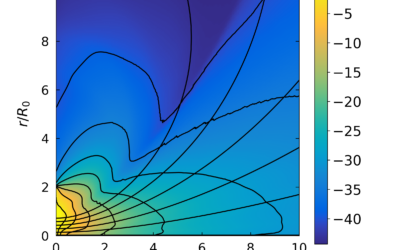
In this work we introduce for the first time a new Implicit Particle in Cell algorithm in a paraxial Magnetic Nozzle geometry. We generalized a novel particle mover in mapped meshes with strict conservation of total energy and local charge. To ensure its effectiveness, we tested the algorithm with several test cases and magnetic nozzle results from literature. Our results clearly show that this new algorithm has a remarkable performance gain compared to conventional algorithms, while maintaining comparable or superior accuracy.

You can read the paper here.
Authored by: odriva
2024-02-06
Categories: news

Related Posts

๐——๐—ผ๐—ฒ๐˜€ ๐—ฎ ๐—บ๐—ฎ๐—ด๐—ป๐—ฒ๐˜๐—ถ๐—ฐ ๐—ป๐—ผ๐˜‡๐˜‡๐—น๐—ฒ ๐—ฏ๐—ฒ๐—ต๐—ฎ๐˜ƒ๐—ฒ ๐˜๐—ต๐—ฒ ๐˜€๐—ฎ๐—บ๐—ฒ ๐—ถ๐—ป ๐—ฎ ๐˜ƒ๐—ฎ๐—ฐ๐˜‚๐˜‚๐—บ ๐—ฐ๐—ต๐—ฎ๐—บ๐—ฏ๐—ฒ๐—ฟ ๐—ฎ๐˜€ ๐—ถ๐˜ ๐—ฑ๐—ผ๐—ฒ๐˜€ ๐—ถ๐—ป ๐˜€๐—ฝ๐—ฎ๐—ฐ๐—ฒ?

๐——๐—ผ๐—ฒ๐˜€ ๐—ฎ ๐—บ๐—ฎ๐—ด๐—ป๐—ฒ๐˜๐—ถ๐—ฐ ๐—ป๐—ผ๐˜‡๐˜‡๐—น๐—ฒ ๐—ฏ๐—ฒ๐—ต๐—ฎ๐˜ƒ๐—ฒ ๐˜๐—ต๐—ฒ ๐˜€๐—ฎ๐—บ๐—ฒ ๐—ถ๐—ป ๐—ฎ ๐˜ƒ๐—ฎ๐—ฐ๐˜‚๐˜‚๐—บ ๐—ฐ๐—ต๐—ฎ๐—บ๐—ฏ๐—ฒ๐—ฟ ๐—ฎ๐˜€ ๐—ถ๐˜ ๐—ฑ๐—ผ๐—ฒ๐˜€ ๐—ถ๐—ป ๐˜€๐—ฝ๐—ฎ๐—ฐ๐—ฒ?

On the ground, the plume in a magnetic nozzle interacts with background gas and withthe chamber walls. To study this, we extended our DIMAGNO-DG code to a three-fluidmodel (ions, electrons, and neutrals) that includes in-plume ionization, backgroundpressure, and the...

read more
European Researchers Night 2026

European Researchers Night 2026

We held a CubeSat workshop, talked to them about space exploration and the various uses of satellites, explained a little about how they work, and focused on electric propulsion and the different types of plasma thrusters. Then we had them play a game where they...

read more
End of ZARATHUSTRA

End of ZARATHUSTRA

It has been 5+ exciting years, and now the ZARATHUSTRA project has come to an end. The project has served to increase of our understanding of electrodeless plasma thruster (EPT) physics in many areas, in some cases with surprising results; the code has also promoted...

read more